Source Commercial Freezer for Retail, Cold Storage, and Food Service
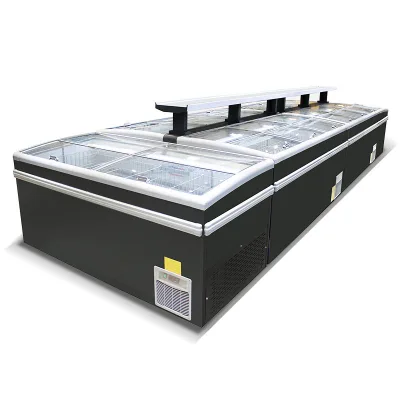
Explore 30 commercial freezer options featuring single or dual temperature zones, various door types, and smart or mechanical controls. Buyers can compare specifications like capacity, defrost methods, and certifications to find the right unit for retail displays, cold storage, or food service applications.
Key considerations
Products List




Comprehensive Sourcing Guide
Commercial Freezer Sourcing Guide
Sourcing commercial freezers requires a strategic approach that balances technical performance with regulatory compliance and total cost of ownership. Buyers must navigate a diverse market where products range from compact chest freezers to large upright display units, each serving distinct operational needs. The observed product landscape includes single-temperature and multi-functional units, with power sources predominantly relying on standard electricity. Understanding the specific functional requirements, such as freezing versus cold storage, is the first critical step in defining the procurement scope.
Procurement teams should also consider the physical and operational constraints of their facilities. Attributes such as door type, defrost mechanism, and temperature control systems vary significantly across listings. For instance, some units feature manual defrost with swing doors, while others offer frost-free operation with folding or double doors. These design choices directly impact energy efficiency, maintenance frequency, and user experience. Aligning these technical specifications with the intended application ensures that the selected equipment integrates seamlessly into existing workflows without causing operational bottlenecks.
Product Scope and Observed Listing Signals
The current market for commercial freezers exhibits a wide variance in capacity and configuration, reflecting the diverse needs of retail and food service industries. Listings indicate capacities ranging from small units around 201-250 liters to massive installations exceeding 1700 liters. This spectrum includes upright display refrigerators designed for visibility and access, as well as chest or deep freezers optimized for high-density storage. The presence of customizable options suggests that buyers can tailor dimensions and internal layouts to fit specific spatial constraints, making it essential to verify exact dimensions before finalizing orders.
Observed listing signals also highlight significant differences in construction materials and aesthetic finishes. Outer casings are frequently made from pre-painted white PCM or ABS+PVC+Aluminum Alloy combinations, while liners often utilize white aluminum plates for hygiene and durability. Some units specify iron pipe evaporators, which is a critical detail for thermal performance and longevity. Additionally, packing methods vary between wooden cases and standard cartons, which influences shipping costs and handling requirements. Buyers must carefully review these material specifications to ensure the unit meets both durability standards and aesthetic expectations for their specific environment.
Technical Specifications to Verify
Temperature control and defrost mechanisms are pivotal technical specifications that determine the reliability and efficiency of a commercial freezer. Listings show a mix of mechanical, smart, and computer thermostats, each offering different levels of precision and user interface complexity. Defrost types range from manual to auto and frost-free systems, with auto defrost often paired with computer thermostats for enhanced management. Buyers should verify the refrigeration method, such as direct cooling, and check the specified refrigerant model, like R290, to ensure compatibility with local environmental regulations and service infrastructure.
Power requirements and physical dimensions must also be rigorously verified to prevent installation failures. Rated power consumption varies between 220W and 550W, impacting long-term energy costs. Voltage and frequency specifications, typically 220V/50Hz, must match the local electrical grid to avoid damage or inefficiency. Furthermore, the gross weight of units can range from 60kg to 140kg or more, affecting floor load requirements and logistics planning. Confirming the number of shelves, layers, and door configurations ensures that the internal capacity aligns with inventory turnover rates and accessibility needs.
Compliance and Safety Documentation
Certification requirements are non-negotiable for commercial freezers, as they ensure safety, energy efficiency, and environmental compliance. The observed market includes a broad array of certifications such as CE, RoHS, ISO, CCC, CB, SASO, EMC, GS, and ETL. Buyers must verify which specific certifications apply to their target market, as regulatory frameworks differ significantly between regions. For example, CE marking is essential for European markets, while CCC is required for China. Ensuring that the supplier provides valid and up-to-date certification documents is crucial for legal operation and insurance coverage.
Safety standards also extend to the materials used in construction and the refrigerants employed. The use of R290 refrigerant, for instance, requires adherence to specific safety protocols due to its flammability class. Buyers should confirm that the foam layer thickness, such as 70mm, meets insulation standards for energy efficiency and temperature stability. Additionally, verifying that the outer box material and shell components meet fire safety and hygiene standards is vital for commercial environments. Documentation should clearly state compliance with relevant electrical safety and environmental protection laws to mitigate liability risks.
Cost Drivers and Commercial Terms
Pricing in the commercial freezer market is influenced by capacity, technology level, and customization options. The observed price range spans from approximately $55.7 to $100,000, reflecting the disparity between small domestic-style units and large industrial cold storage systems. Higher prices are typically associated with advanced features like smart thermostats, auto defrost mechanisms, and premium materials such as aluminum alloy cabinets. Buyers should analyze the total cost of ownership, including energy consumption and maintenance costs, rather than focusing solely on the initial purchase price.
Commercial terms, including minimum order quantities (MOQ) and packaging, significantly impact procurement strategy. MOQs can range from single units to 100 pieces, affecting inventory management and cash flow. Packaging methods, such as wooden cases or cartons, influence shipping costs and protection during transit. Buyers should negotiate clear terms regarding lead times, warranty periods, and after-sales support. Understanding these commercial variables allows for more accurate budgeting and ensures that the procurement process aligns with the organization’s logistical and financial capabilities.
Supplier Qualification and Quality Control
Supplier qualification is a critical step in mitigating procurement risks, particularly when sourcing from international markets. Buyers should verify the supplier’s manufacturing capabilities, quality management systems, and track record in producing commercial freezers. Given that many products originate from China, understanding the supplier’s export experience and compliance with international standards is essential. Requesting detailed product specifications, material certificates, and test reports helps assess the supplier’s commitment to quality and consistency.
Quality control measures should be integrated into the procurement process to ensure that delivered units meet agreed-upon standards. Buyers should consider implementing pre-shipment inspections to verify dimensions, electrical safety, and cooling performance. Establishing clear acceptance criteria based on the observed specifications, such as temperature stability and defrost efficiency, is crucial. Additionally, defining warranty terms and service response times ensures that any post-delivery issues are resolved promptly. Building a robust supplier evaluation framework helps maintain product quality and operational reliability over the long term.
Long-Term Procurement Checks
Long-term procurement success depends on continuous monitoring of supplier performance and product reliability. Buyers should establish key performance indicators (KPIs) related to delivery times, defect rates, and customer support responsiveness. Regular audits of the supplier’s quality control processes can help identify potential issues before they impact operations. Maintaining open communication channels with the supplier facilitates quick resolution of any technical or logistical challenges that may arise during the product lifecycle.
Energy efficiency and regulatory compliance are also areas that require ongoing attention. As environmental regulations evolve, buyers must ensure that their commercial freezers remain compliant with new standards. Monitoring energy consumption trends can help identify opportunities for optimization or replacement with more efficient models. Additionally, staying informed about advancements in refrigerant technology and insulation materials allows buyers to make informed decisions about future upgrades. A proactive approach to long-term procurement checks ensures that the investment in commercial freezers continues to deliver value and operational efficiency.
FAQs
What certifications are available for commercial freezers?
Commercial freezers typically carry CE, RoHS, ISO, CCC, CB, SASO, EMC, GS, and ETL certifications. These marks ensure compliance with international safety and environmental standards. Buyers should verify specific certification requirements for their target market to ensure regulatory approval and smooth customs clearance during import processes.
Can commercial freezers be customized for specific needs?
Yes, customization is available for many commercial freezer models. Buyers can often select specific specifications, colors, or internal configurations to match their operational requirements. This flexibility allows businesses to optimize storage efficiency and branding, ensuring the equipment integrates seamlessly into their existing commercial kitchen or retail environment.
What is the typical power source for these units?
These units primarily use electricity as their power source, operating at 220V and 50Hz. Rated power consumption generally ranges from 220W to 550W depending on the model and capacity. This standard electrical requirement ensures compatibility with most commercial facilities, though buyers should always verify voltage compatibility for their specific location.
How many shelves do commercial freezers usually have?
Commercial freezers typically feature 2 shelves with 4 layers or 4 shelves with 5 layers. This configuration provides flexible storage options for various product sizes. The number of shelves can often be adjusted or customized to meet specific inventory needs, maximizing vertical space utilization in compact commercial environments.
What defrost types are offered for commercial freezers?
Options include manual defrost, frost-free, and auto defrost systems. Manual defrost models are common for basic storage, while frost-free and auto defrost units reduce maintenance effort. Buyers should choose based on their operational capacity and willingness to perform regular maintenance, with auto defrost offering the highest convenience for high-volume use.
What is the minimum order quantity for these units?
The minimum order quantity varies, with some models requiring 100 pieces while others allow orders as low as 1 unit. This range accommodates both large-scale distributors and individual businesses. Buyers should check specific product listings to determine the exact MOQ, as it directly impacts initial investment costs and inventory planning strategies.